Minimalist Pattern Geometric for Modern Design Projects
As a designer who regularly works with branding, packaging, and digital assets, I've had the chance to test various graphic design resources. Recently, I came across Minimalist Pattern Geometric, and I wanted to explore how it might fit into real client projects. This pattern is more than just a decorative element—it’s a subtle but effective way to add structure and visual interest to a variety of creative outputs.
A First Look at Minimalist Pattern Geometric
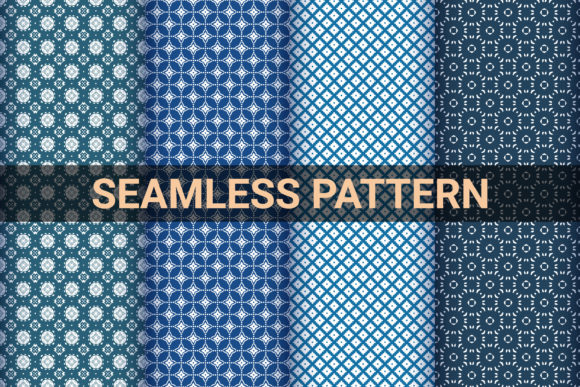
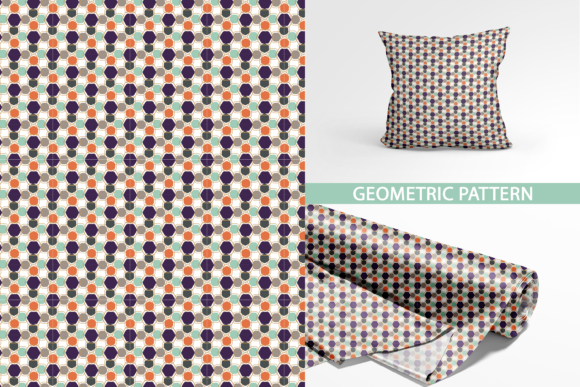
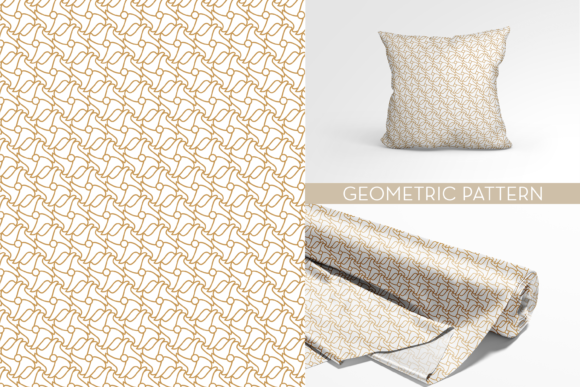
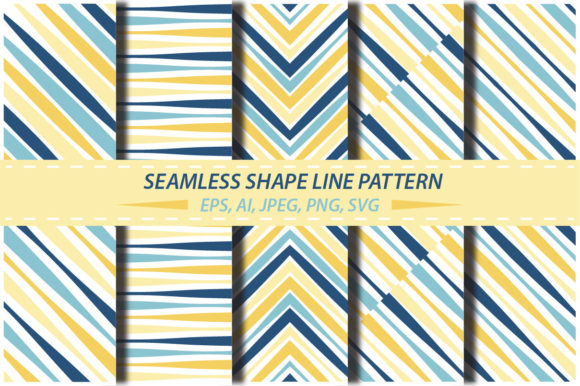
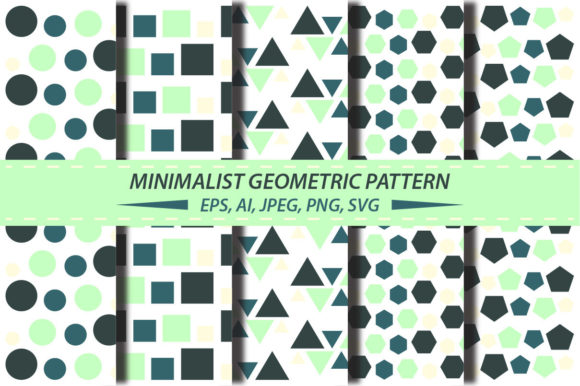
The first thing that stands out about Minimalist Pattern Geometric is its clean aesthetic. It features basic shapes like circles, squares, triangles, pentagons, and hexagons arranged in a balanced and repetitive layout. The overall mood is modern, professional, and slightly playful, making it ideal for clients looking to convey simplicity without sacrificing visual appeal.
This pattern represents a minimalist style that's currently popular in both digital and print design. It naturally fits projects that require a fresh, contemporary look—such as handmade brands, boutique product lines, or seasonal campaigns. Its versatility allows it to work well across multiple platforms, from social media graphics to packaging design.
How Minimalist Pattern Geometric Performs in Real Design Situations
Minimalist Pattern Geometric can be a great addition to a range of design scenarios. For example, when designing a logo or brand identity, this pattern can serve as a subtle background or border element that reinforces the brand’s visual language. It adds texture without overwhelming the main content, which is especially useful in small-scale designs like stickers, product labels, or business cards.
In larger formats, such as posters, flyers, or website headers, the pattern provides a structured yet unobtrusive base. It works particularly well in hero graphics where a clean, geometric feel is desired. When paired with bold typography or high-contrast colors, it helps create a polished and cohesive visual hierarchy.
For digital marketers, this pattern can enhance the visual mood of social media posts, Pinterest pins, or Instagram stories. Its clean composition supports readability while adding a touch of creativity. It also integrates smoothly into Canva templates, Cricut projects, or printable wall art, offering a consistent look across different mediums.
Where This Pattern Works Best
Minimalist Pattern Geometric shines in large layout areas, hero graphics, product mockups, and themed collections. It’s an excellent choice for campaign visuals, packaging details, and printable designs that need a modern, structured feel. In commercial design, it can be used as a supporting brand element that enhances the overall impression of a project without competing with key messages.
Its geometric nature makes it especially suitable for editorial design, web design, and marketing visuals that aim to communicate clarity and professionalism. Whether you're designing for an Etsy shop, a print-on-demand platform, or a small business launch, this pattern can help elevate the final result with minimal effort.
Where to Use It with Caution
While Minimalist Pattern Geometric is versatile, it may not be the best choice for every situation. In small sizes or crowded layouts, the pattern could become distracting if not scaled or placed carefully. Similarly, on complex backgrounds or in low-contrast designs, it may lose its visual impact.
It’s also important to consider projects that prioritize very clean visual hierarchy, such as corporate materials or minimalist branding. In these cases, the pattern might overpower the intended message or dilute the brand’s identity. Always test it in black and white to ensure it doesn’t interfere with readability or contrast.
Design Considerations Before Using It Commercially
Before using Minimalist Pattern Geometric in a client project, there are several practical notes to keep in mind. Test it in both black and white and on light and dark backgrounds to see how it performs under different conditions. Preview it at small and large sizes to ensure it remains legible and visually appealing in all contexts.
Place it on real mockups to see how it interacts with other design elements. If you plan to use it for print, check the file formats (PNG, SVG, etc.) and confirm whether it includes transparency or vector editability. Compare it with different font styles—serif, sans serif, script, handwritten, or display—to ensure it complements the typography effectively.
Finally, make sure the asset has a commercial license, especially if you're planning to use it for an Etsy product, print-on-demand service, or any other business-related project. A proper license ensures you’re using the asset legally and avoids potential issues down the line.
Why Minimalist Pattern Geometric Is a Valuable Asset
Minimalist Pattern Geometric is more than just a decorative graphic—it’s a strategic design tool that can enhance the emotional appeal, audience engagement, and professionalism of a project. Its clean composition supports brand consistency and visual trust, helping your designs stand out in a competitive marketplace.
Whether you're working on a handmade business, a small brand, or a digital product, this pattern can help bring your creative vision to life with ease. It’s a great addition to any design bundle or creative marketplace collection, offering a modern, structured look that aligns with current trends in graphic design.
If you're looking for a reliable and versatile design asset that can support a wide range of projects, Minimalist Pattern Geometric is definitely worth considering. Just remember to test it thoroughly and use it thoughtfully to ensure it enhances rather than distracts from your final design outcome.